

The Ban That Wasn’t
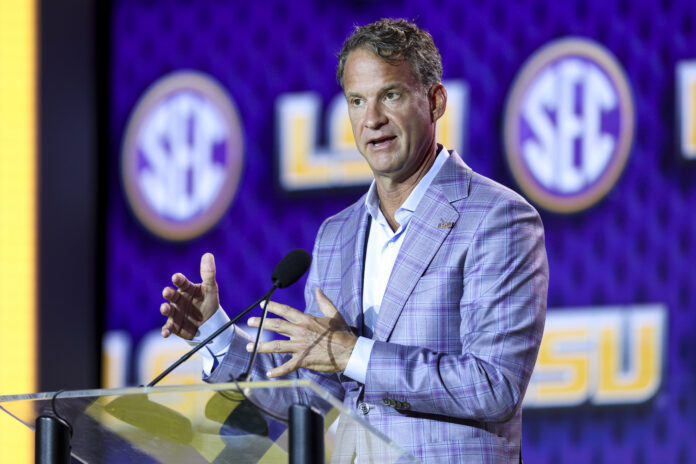
The SEC just told its schools they could not sign former NFL players. Then a judge in Louisiana said they could. Lane Kiffin and LSU got their way to add Dae’Quan Wright and Zxavian Harris to the 2026 roster despite the league trying to stop them. This is the kind of rule-breaking that makes fans sit up and take notice. The conference said one thing, but the court said another. Now the Tigers have the players they wanted.
Several state courts handed down rulings that gave athletes who signed NFL deals another year of eligibility. Some programs jumped at the chance to grab these players. The SEC, ACC, and Big 12 all created new bylaws to ban former pros. But the SEC might not be serious about enforcing that ban. Darren Heitner, a sports attorney cited by Yahoo Sports CFB, said the SEC and Commissioner Greg Sankey will follow all relevant court orders, including those in Louisiana. That quote changes everything.
The court order makes LSU a defendant, which gives the school legal cover. Heitner explained that the order should be enough to give schools comfort. Roster protections apply solely for plaintiffs named in a lawsuit containing court language that bars the conference from acting against the school and its coaching staff. The Big Ten tried to stop this too, but they do not have the same court order protecting them. LSU does.
Smart Draws a Line
Not everyone wants to play this game. When questioned about recruiting from NFL rosters, Georgia head coach Kirby Smart clarified his position. He said his team will not do it. “We’re not currently evaluating anybody that are on NFL rosters,” Smart said. He argued that the players on his team earned their spots through a tough summer and fall camp. Replacing them with pros who took money elsewhere feels wrong to him. He thinks those players have to decide if the opportunity is worth it.
Smart knows the rules are messy right now. He pointed out that the SEC and other Power Four conferences have responded with severe penalties. According to the statement, the SEC and other Power Four leagues have retaliated harshly against players attempting to return after signing pro deals or declaring for the draft. But he also sees the other side. Our task is to improve and win games, as they might be better, so we must upgrade as much as possible. He lets others decide if they want to change their culture to win.
Smart prefers the new five-year rule that started this season. He feels it is a fair system for everyone. “Five-for-five is a better rule,” Smart said. Players can participate to any extent and still receive five years of eligibility. It’s affecting different people in different ways. That rule lets players stay without losing eligibility just for playing a few snaps. It is a simpler way to handle the redshirt years. But it does not solve the problem of pros coming back to college.
The Real Test
This situation proves that money and courts beat conference rules. The SEC tried to set a standard, but a judge in Louisiana blocked it. Now every SEC school can look at the court order and decide if they want to sign a pro. The Big Ten might not have that same protection. If they try to sign a player, they could face penalties. LSU has a shield. Other teams might not. This creates a two-tier system within the same conference.
It is interesting to see if other conferences will relax their bans too. The Big 12 and ACC followed the SEC’s lead in banning these players. But if the courts keep ruling in favor of the athletes, those bans might not hold. The NCAA could step in to block the roster additions. But for now, the courts are the final boss. The temporary restraining orders allow players to return while the legal fight continues. Conferences have strict new rules, but the courts are making the real calls.
The next big test will come as the 2026 season approaches. The temporary restraining orders will clash with the new conference policies. Players will fight for eligibility while conferences try to stop them. The SEC policy was enforced following meetings with the Presidents, Chancellors, and Athletics Directors. But that policy cannot override a court order. The game is no longer just about the field. It is about the law. And the law says LSU can win this war.